

ENTERPRISE SAAS
UX Audit for EagleView's property report checkout flow
boosting conversion rates by 35%
OUTCOMES AT A GLANCE
1.7x
Faster workflows for users
60k
Active users serving 1k+ reports everyday
35%
Boost in Conversion Rate

Note:
Due to NDA restrictions, specific screens, proprietary workflows, and internal data from EagleView cannot be publicly shared. However, the following outlines the research methodology, evaluation approach, and strategic process undertaken during the project.
Introduction
CONTEXT
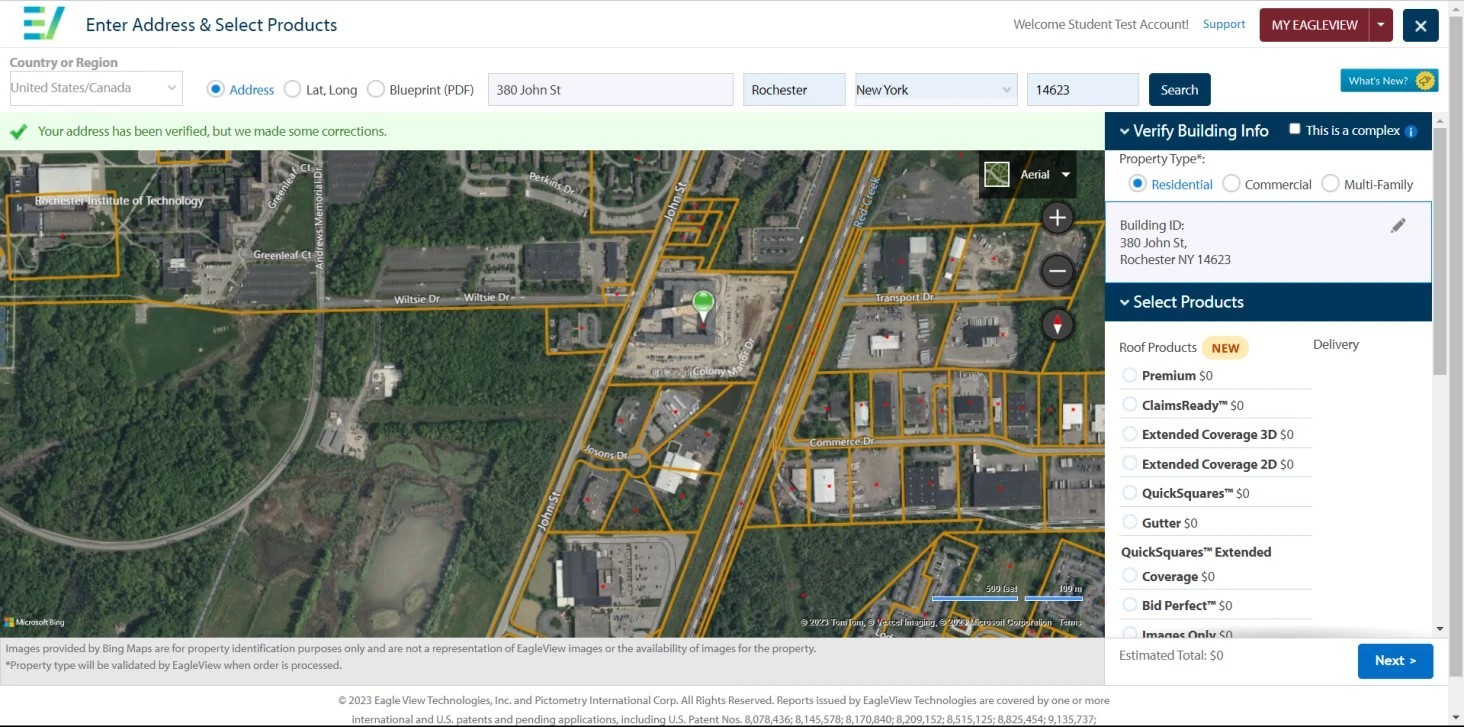
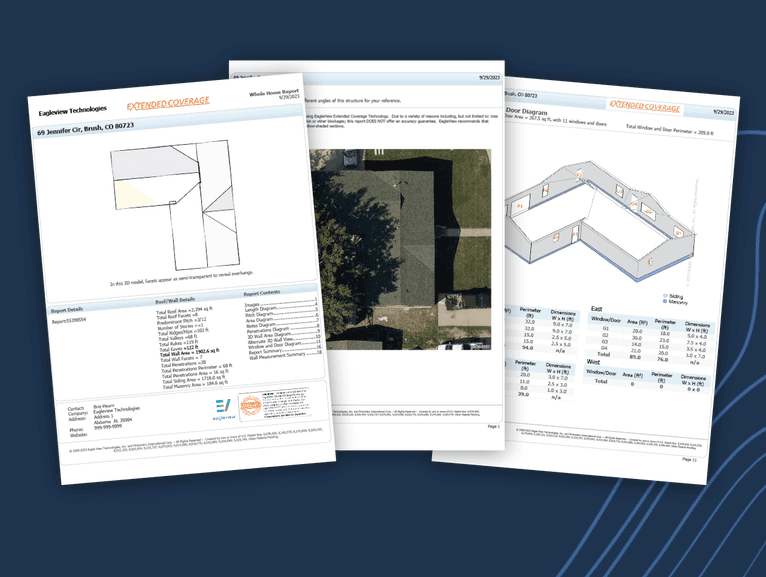
EagleView’s Full-House Report, which is a property report checkout flow is a critical touchpoint used by inspectors, real estate professionals, and contractors to purchase detailed property imagery. However, the existing flow presented usability challenges that disrupted task completion and increased cognitive load.
This project applied a systematic heuristic evaluation followed by moderated usability testing to identify friction points and validate design recommendations.
DURATION
Jan' 23 - May'23
ROLE
Usability Researcher (Me)
UX Designer
Project Manager
Faculty Advisor
RESPONSIBILITIES
Product Strategy
Market Research
Participant Recruitment & Moderation
Usability Testing
Process
THE CHALLENGE
The checkout experience lacked clarity, consistency, and guidance across key decision points. Users struggled with:
01
Unclear product selection hierarchy
02
Inconsistent labeling and terminology
03
Missing progress indicators
04
Poor alignment between system actions and user expectations
These gaps led to uncertainty, increased task abandonment, and slower checkout times; all crucial issues in an enterprise environment where users rely on fast, accurate ordering.
RESEARCH APPROACH
A two-phase evaluation was conducted:
01
Heuristic Evaluation
Using Nielsen's 10 Usability Heuristics the entire checkout flow was systematically reviewed.
Violations were documented, categorized by severity, and linked to user impact.
02
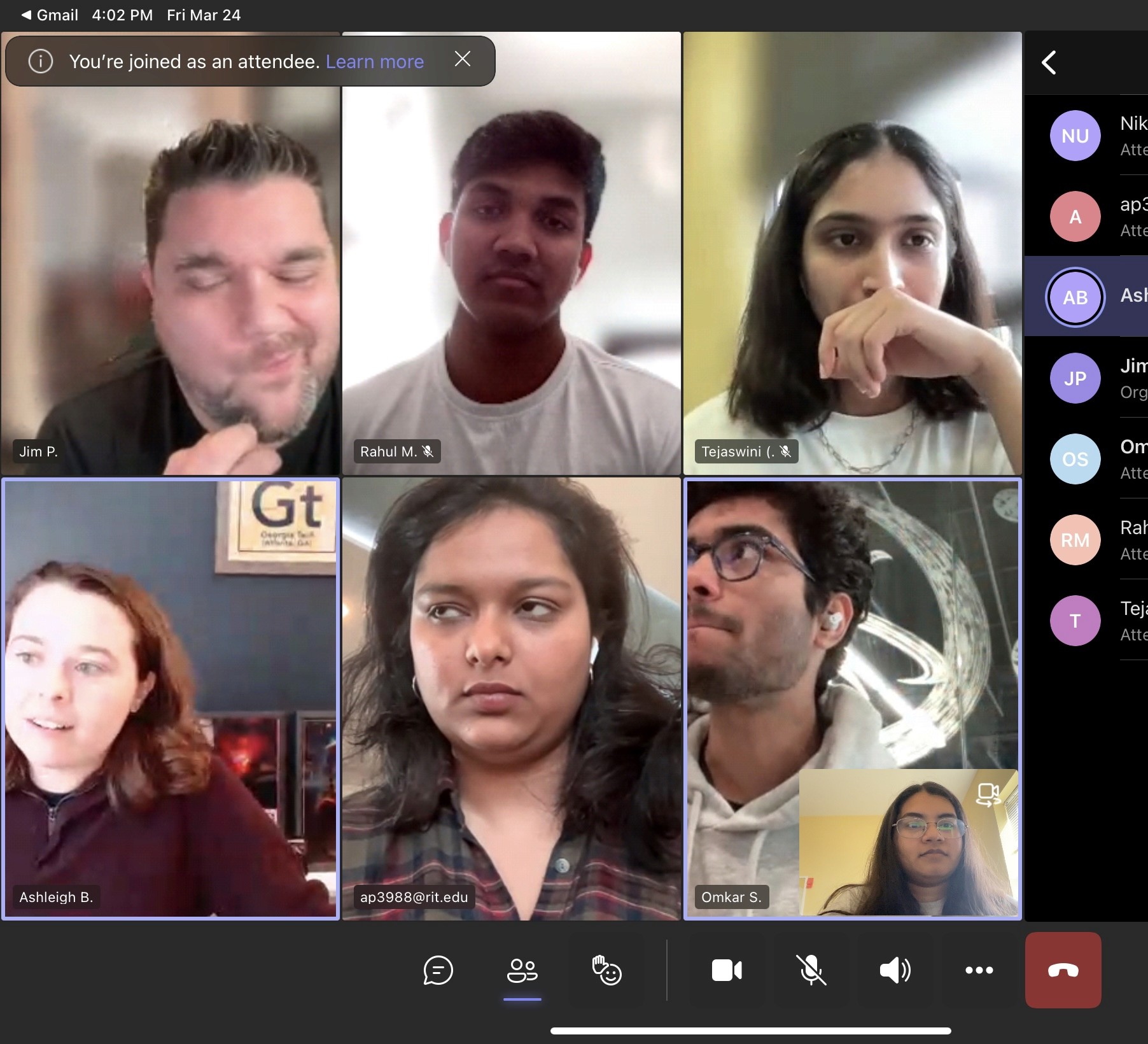
Usability Testing
Five participants representing EagleView’s core user types completed key checkout tasks.
Think-aloud protocols captured hesitations, confusion, and mental models.
Session findings validated and expanded on the heuristic evaluation results.
USABILITY TESTING FINDINGS
After conducting heuristic evaluations, surveys, and contextual interviews with 10 participants, three key design opportunities emerged
Theme 01:
Unclear Product Differentiation
Participants were unsure which report they needed. Lack of visual cues made comparison difficult.
Theme 02:
Pricing Confusion
Users struggled to understand add-on costs, when pricing changed, and what was included in the final total.
Theme 03:
Inefficient Task Flow
Steps felt linear but disjointed; participants jumped back and forth to confirm details, slowing overall completion.
Theme 04:
Low Confidence upon Checkout
Participants expressed uncertainty about whether the final selection matched their needs, reducing trust before purchase.
RESULTS & RECOMMENDATIONS
Under NDA. Contact me to know more.
REPORTING & DELIVERABLES
We compiled a comprehensive UX evaluation report that included:
01
Annotated findings from heuristic review
02
Usability testing insights and direct quotes
03
Severity-based prioritization of issues
04
Strategic UX recommendations
05
Mobile-first considerations for field usability
The report was presented to EagleView’s product and design teams to guide future improvements to the Full House™ Report ordering experience.
PROJECT TAKEAWAYS
This project demonstrated the power of pairing heuristic evaluation with usability testing to reveal both surface-level and deep structural UX issues. It also reinforced the importance of language alignment, transparency, and visual hierarchy in high-stakes transactional flows.